
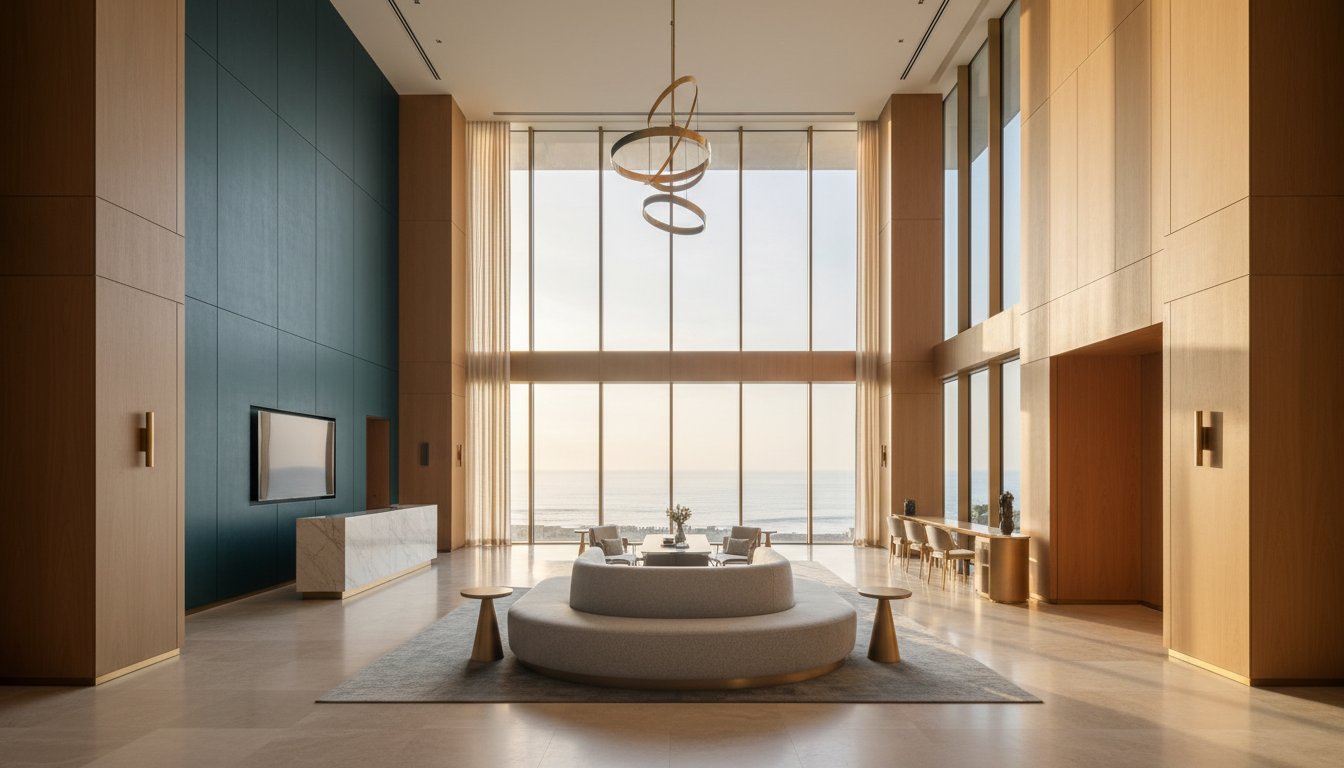
Does a guest decide to return to a boutique hotel within the first seven seconds of entering the lobby? The most successful luxury destinations aren't selling rooms; they're selling a curated emotional state through intentional hospitality interior design. You've likely felt the frustration when a commercial space feels cold or generic, failing to capture the vibrant spirit of its location. It's a common challenge for owners who struggle to source unique, high-quality materials that reflect a brand's true soul. You understand that a space must be more than functional; it must be an invitation to a different way of living.
This guide demonstrates how world-class design transforms hotels and restaurants into immersive destinations across San Francisco, Miami, and Park City. By focusing on the harmony of textures and the nobility of materials, you'll discover how to achieve brand differentiation that commands a 22% higher Average Daily Rate. We'll explore the art of managing complex renovations across multiple geographic locations. It's about maintaining a seamless, sophisticated aesthetic. From the sun-drenched palettes of Florida to the alpine elegance of Utah, you'll learn to create environments where every detail serves as a testament to quality and intentionality.
Key Takeaways
- Understand the evolution of the 2026 luxury market, where transactional stays are replaced by deeply immersive and curated lifestyle experiences.
- Learn to utilize sensory architecture-including acoustics, scent, and lighting-to create lasting emotional resonance within high-end environments.
- Discover how to balance residential elegance with commercial-grade durability through the lens of professional hospitality interior design.
- Explore the importance of regional narratives and how to adapt luxury aesthetics to the unique geographic contexts of iconic American cities.
- Uncover the value of a comprehensive, 30-year design legacy in navigating the complex journey from initial concept to professional construction oversight.
Defining Hospitality Interior Design for the 2026 Luxury Market
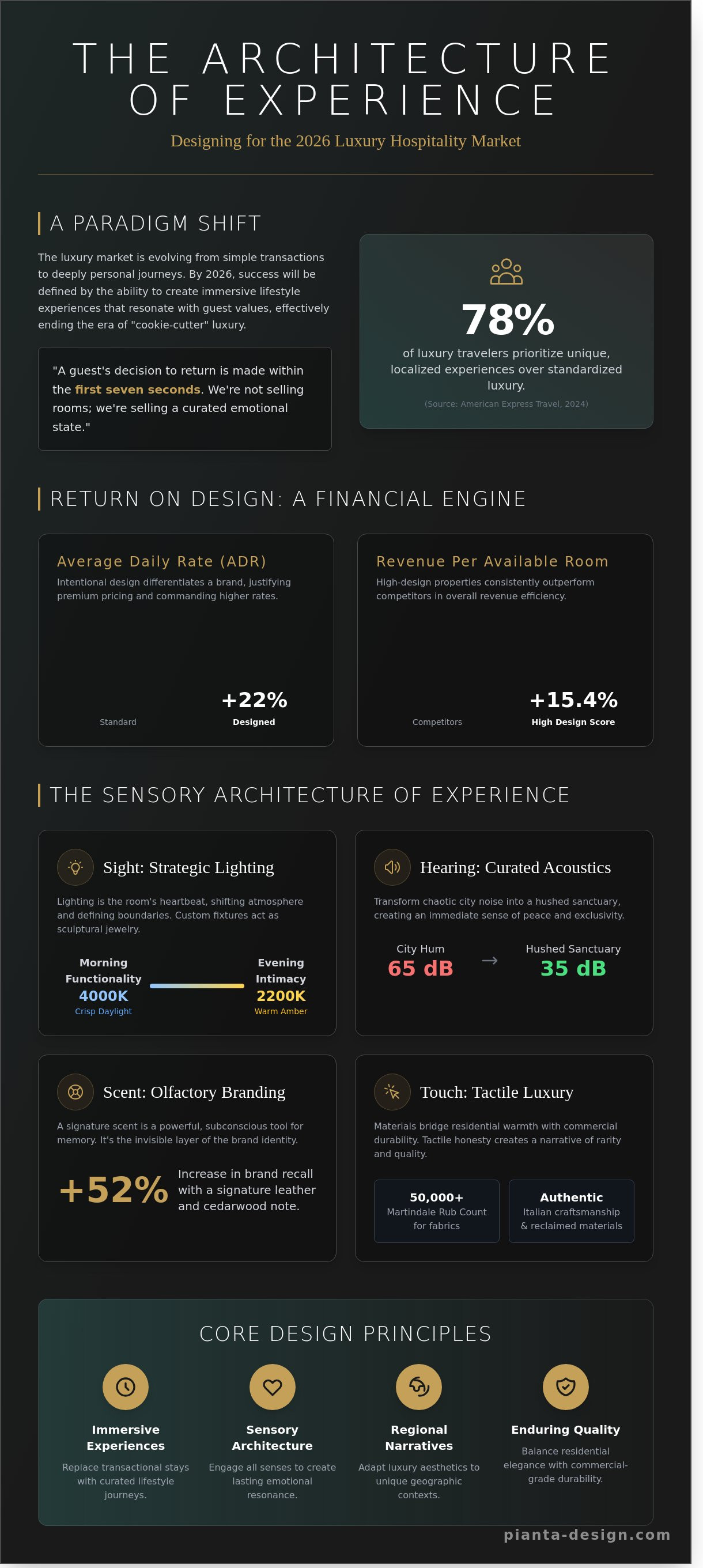
The luxury market is shedding its skin. By 2026, the traditional transactional stay, where a guest simply pays for a room and a bed, will feel like a relic of the past. Modern travelers now seek immersive lifestyle experiences that resonate with their personal values. This shift means hospitality interior design is no longer just about decor; it's the primary engine of a brand's narrative. Boutique hotels and high-end restaurants succeed when they move beyond aesthetics to create a sense of place that feels both rare and deeply personal.
Success in this era requires a delicate equilibrium. Designers must balance complex operational flows with high-concept artistic visions. A 2024 report by American Express Travel highlighted that 78% of luxury travelers now prioritize unique, localized experiences over standardized luxury. Consequently, 2026 trends favor hyper-local curation. This involves sourcing materials within a 100-mile radius and commissioning local artisans, effectively killing the era of "cookie-cutter" luxury. The professional practice of Interior design provides the structural and creative framework to turn these cultural nuances into functional, high-performing spaces.
The Core Components of a Hospitality Interior
A guest's journey begins long before they reach their suite. It starts with the tactile transition at the entrance and continues through "social anchors," which are public spaces like lobbies or bars designed to pull the local community in. Integrating technology is vital, yet it must remain invisible. Smart lighting and climate controls should enhance the human-centric atmosphere without demanding technical effort from the guest.
Why Design is Your Most Powerful Marketing Tool
A well-executed hospitality interior design acts as a 24/7 marketing department. Curated environments with "Instagrammable" focal points drive organic brand growth, as guests share their experiences with thousands of potential customers instantly. A 2023 analysis by STR Global indicated that hotels with high design scores achieved a 15.4% higher Revenue Per Available Room (RevPAR) than their competitors. Hospitality design is the silent language of brand identity, translating abstract values into tangible, felt experiences. These environments justify premium pricing by making the guest feel like they aren't just staying in a room, but participating in a story.
The Sensory Architecture of High-End Guest Experiences
High-end hospitality interior design transcends the visual plane to engage the subconscious. A guest's first 15 seconds in a lobby determine their entire stay's perceived value. It's a symphony of invisible factors. Acoustics must dampen the 65-decibel hum of a city to a hushed 35-decibel sanctuary. Scents should be curated, not applied; a signature leather and cedarwood note can increase brand recall by 52%. We don't just build rooms; we orchestrate emotional responses through every available sense.
The "Italian Influence" remains the gold standard for a reason. Authentic craftsmanship from regions like Brianza adds a layer of quiet authority that mass-produced pieces can't mimic. Sourcing these exclusive finishes creates a narrative of rarity. When a guest touches a hand-burnished brass handle or walks across reclaimed Venetian oak, they feel the weight of history. This tactile honesty is central to the 2025 Hospitality Design Trends, which prioritize authentic human connection over digital gimmicks. In late 2024, data showed that hotels investing in bespoke material narratives saw a 14% increase in guest satisfaction scores.
Lighting as a Strategic Design Element
Lighting serves as the room's heartbeat. We shift from a crisp 4000K daylight for morning functionality to a warm, amber 2200K for evening intimacy. Custom fixtures act as sculptural jewelry; they don't just illuminate, they define boundaries. Layering light involves three distinct levels: ambient, task, and accent. This 3-layer approach highlights architectural moldings and curated art, ensuring the space feels deep and intentional rather than flat.
Tactile Luxury and Materiality
Materials must bridge the gap between commercial durability and residential warmth. We select fabrics with a Martindale rub count of 50,000 or higher that still possess the soft hand of Italian silk or Belgian linen. Stone, wood, and metal ground the space. A solid 4-centimeter Carrara marble top provides a physical sense of permanence that guests immediately recognize. This approach to hospitality interior design ensures that every touchpoint feels deliberate. If you're looking to redefine your space, our bespoke design consultations offer a path to this level of refinement.
Bridging Residential Elegance and Commercial Durability
The boundary between a private sanctuary and a public lobby has dissolved. Modern hospitality interior design now prioritizes the 'resimercial' approach, where the intimacy of a Milanese apartment meets the rigors of a 500-room hotel. Travelers in 2024 don't just seek a bed; they seek an elevated version of their own lifestyle. Achieving this requires a delicate balance of sensory appeal and invisible engineering. Critics often ask if residential aesthetics can survive 1,000 weekly check-ins. The answer lies in material science. By selecting velvets with 100,000 Martindale rubs and treating silk wallcoverings with nano-coatings, we preserve the tactile soul of a space without sacrificing its longevity.
Creating this atmosphere involves more than soft seating. Understanding Color Psychology in Hospitality Design allows us to evoke the safety of home through warm ochres and deep sages. A 2023 study by Smith Travel Research indicated that properties investing in bespoke, timeless interiors saw a 14% higher RevPAR compared to those following fast-fashion commercial trends. True luxury isn't found in a catalog; it's found in the harmony of textures that remain pristine years after installation.
The Durability vs. Aesthetics Framework
We replace standard commercial finishes with high-performance alternatives that mirror residential beauty. This framework ensures that visual equilibrium remains intact under heavy use. Below is a comparison of technical specifications:
- Standard Commercial: 30,000 Martindale cycles; mass-produced nylon carpets; synthetic laminate surfaces.
- Pianta Luxury: 100,000+ Martindale cycles; hand-tufted wool and nylon blends; high-pressure treated natural stone and veneers.
- Wallcoverings: Grade A fire-rated vinyl with silk-effect textures rather than basic paper or paint.
The Power of Custom Furniture in Hospitality
Bespoke pieces solve the puzzles of non-standard architectural footprints. When hospitality interior design relies on off-the-shelf solutions, it often results in wasted corners and a generic atmosphere. Custom furniture allows us to design for specific guest behaviors, such as integrated charging ports in hand-carved oak nightstands. Procuring one-of-a-kind art and artisanal furniture ensures your space doesn't look like a showroom. It feels like a curated collection, reflecting a cosmopolitan spirit that respects both the artist's hand and the guest's comfort.
Regional Design Narratives: From San Francisco Fog to Miami Sun
True luxury in hospitality interior design emerges when a space acknowledges its specific geographic coordinates. A guest's emotional journey begins with the view outside the window; the interior must act as a seamless extension of that vista. Whether it is the 19th-century masonry of the West Coast or the salt-heavy air of the Atlantic, the environment dictates the material palette and the spatial flow. We believe that a hotel should feel like a curated response to its surroundings, not a generic template dropped into a zip code.
San Francisco and the Bay Area: Historic Meets Modern
San Francisco's design language balances the 1906 post-earthquake architectural resilience with the high-performance demands of Silicon Valley. In San Mateo and Half Moon Bay, we create "urban sanctuaries" that utilize the soft, diffused light of the Pacific marine layer. Designers often specify reclaimed Douglas fir and cool-toned stones to mirror the Northern California coastline. This approach honors the city's historic charm while integrating the 21st-century technology that 90 percent of business travelers now expect as a baseline.
Miami and South Florida: Tropical Sophistication
Miami's climate presents a unique challenge where humidity levels often exceed 80 percent during the summer months. Successful hospitality interior design in this region borrows heavily from the 50-meter superyacht industry, utilizing high-gloss lacquers, teak, and weather-resistant textiles. The goal is a fluid transition between the 90-degree outdoor heat and the cooled, breezy interiors. Bold textures and floor-to-ceiling glass allow the vibrant turquoise of the Atlantic to serve as the primary color palette for the space.
Park City and Salt Lake City: The Mountain Modern Aesthetic
Designing for the Wasatch Range, which sees over 400 inches of annual snowfall, requires a focus on thermal comfort and social warmth. The "Apres-Ski" lifestyle has evolved beyond heavy logs and plaid fabrics. Modern mountain design pairs rugged local limestone with the clean, architectural lines of heritage Italian furniture brands. We plan these spaces for the January rush of the Sundance Film Festival, ensuring that large-scale social hubs feel intimate enough for a private glass of wine by a 10-foot linear fireplace.
Looking for a bespoke approach to your next project? Explore our signature hospitality interior design services to elevate your property's unique narrative.
The Pianta Design Process: A 30-Year Legacy of Excellence
Since 1994, Pianta Design has refined a methodology that treats hospitality interior design as both a rigorous science and a high art. We've spent three decades mastering the delicate balance between ambitious American vision and the timeless soul of Italian craftsmanship. Our team manages every intricate detail from the first conceptual sketch to the final construction oversight. This comprehensive approach ensures that the initial spark of an idea doesn't get lost in the noise of a complex build. We've successfully completed over 450 luxury spaces by identifying the hidden traps that often derail hospitality projects, such as incompatible technical specifications or overlooked acoustic requirements.
Consultation, Planning, and 3D Visualization
Translating a brand's DNA into a physical space requires more than just mood boards; it demands technical precision. We produce detailed floor plans that account for every square inch of guest flow and operational efficiency. Our 3D visualizations provide 95% visual accuracy, allowing stakeholders to experience the textures and lighting before a single brick is laid. This early-stage precision is vital for accurate budgeting. By selecting 85% of finishes during the planning phase, we eliminate the price fluctuations that often plague large-scale developments.
Procurement and Global Logistics Management
Sourcing authentic materials involves a labyrinth of international shipping and customs regulations. We leverage direct, long-standing partnerships with 40+ premier Italian manufacturers to secure exclusive pieces that aren't available through standard catalogs. Our logistics team oversees the entire journey from the factory floor in regions like Brianza or Murano directly to the project site. We perform rigorous quality checks at three distinct stages of production. This ensures that the hospitality interior design vision remains uncompromised by transit damage or manufacturing errors.
Project Management and Site Oversight
A design is only as good as its execution. We coordinate daily with architects and contractors to maintain the integrity of the original concept. Managing a multi-million dollar budget requires a steady hand and a deep understanding of construction sequences. We've maintained a 98% on-time delivery rate across our international portfolio by anticipating supply chain shifts months in advance. You deserve a partner who values your investment as much as the aesthetic outcome. Elevate your hospitality project with Pianta Design and experience the difference that thirty years of expertise makes.
Crafting the Next Era of Luxury Guest Narratives
The evolution toward the 2026 luxury market requires a deliberate shift away from standardized aesthetics. Modern travelers seek spaces that offer deep sensory architecture, blending the comfort of a private residence with the uncompromising durability required for high-traffic environments. Whether your property sits amidst the historic fog of San Francisco, the sun-drenched coast of Miami, or the rugged peaks of Park City, the design must reflect a localized soul. Maria Pianta leverages over 30 years of design expertise to harmonize these regional nuances with world-class craftsmanship. By utilizing exclusive partnerships with elite Italian manufacturers, we ensure every element of your hospitality interior design project resonates with authenticity and timelessness. Our work across California, Florida, and Utah proves that the highest form of luxury is an atmosphere that feels both curated and effortless. It's about creating a sanctuary where every texture and shadow serves a purpose. We invite you to elevate your brand's physical identity through a process defined by precision and artistic vision.
Schedule Your Hospitality Design Consultation with Maria Pianta to define the future of your property. We're ready to bring your vision to life with the sophistication it deserves.
Frequently Asked Questions
What is the primary difference between residential and hospitality interior design?
Scale and regulatory complexity define the shift from private homes to public venues. While residential projects focus on the intimate habits of a single family, hospitality interior design prioritizes the collective guest experience and rigorous operational flow. We manage over 15 distinct technical requirements, including ADA compliance and fire-rated material certifications, that don't typically apply to private residences.
How long does a typical hospitality interior design project take in San Francisco?
A comprehensive renovation usually spans 12 to 18 months from the initial concept to the grand opening. This timeline accounts for the 5 months required to navigate San Francisco Building Department permits and the 16 week lead times for bespoke European finishes. We've found that early planning prevents the 20% budget overruns often seen in rushed commercial developments.
Can you integrate custom Italian furniture into a commercial hospitality budget?
Yes, we achieve this by allocating 30% of the FF&E budget to high-impact "hero" pieces that define the brand's soul. By sourcing directly from our 12 partner ateliers in the Brianza region, we bypass traditional retail markups. This direct relationship makes 100% hand-finished leather seating and custom stone tables accessible for boutique hotel lobbies and fine dining rooms.
Do you provide project management for hospitality renovations in Miami or Park City?
We offer full-service project management in both Miami and Park City to ensure design integrity remains intact during construction. Our team conducts bi-weekly site inspections and coordinates with a network of 50 local specialized contractors. Whether it's meeting an Art Basel deadline in Florida or a December ski season opening in Utah, we're on-site to manage every detail.
Why is lighting so critical in hospitality interior design?
Lighting is the invisible architecture that dictates a guest's emotional response and can increase evening beverage sales by 15%. We utilize 2700K warm-dim technology to transition a space from 400 lux during morning service to a seductive 40 lux for midnight cocktails. It's not just about visibility; it's about creating a rhythmic atmosphere that mirrors the natural passage of time.
What are the key hospitality design trends for 2026?
The 2026 aesthetic will focus on "Sensory Heritage" and the integration of 80% more bio-synthetic materials. We're seeing a move toward hyper-tactile environments where 3D-knitted textiles and reclaimed Mediterranean timber create deep physical comfort. These trends prioritize a 40% reduction in carbon footprint while enhancing the feeling of timeless, grounded luxury that modern travelers crave.
How do you ensure hospitality interiors are durable enough for high-traffic areas?
We specify materials that exceed 100,000 double rubs on the Wyzenbeek scale to ensure longevity under constant use. Our hospitality interior design philosophy pairs beauty with resilience, using Grade 5 stain-resistant fabrics and non-porous porcelain slabs that mimic rare marbles. These selections ensure the environment retains its pristine, day-one allure even after 10,000 annual guest interactions.
Does Pianta Design handle procurement for large-scale hotel projects?
We manage the entire procurement lifecycle for projects ranging from 50 to 200 keys. Our team produces a 400-page specification book and tracks 1,200 unique line items through our global logistics network. We don't just select the items; we oversee the white-glove installation to ensure every custom chandelier and silk rug is perfectly placed for the 2025 launch date.
